The Role of Renewable Energy in the Construction Industry
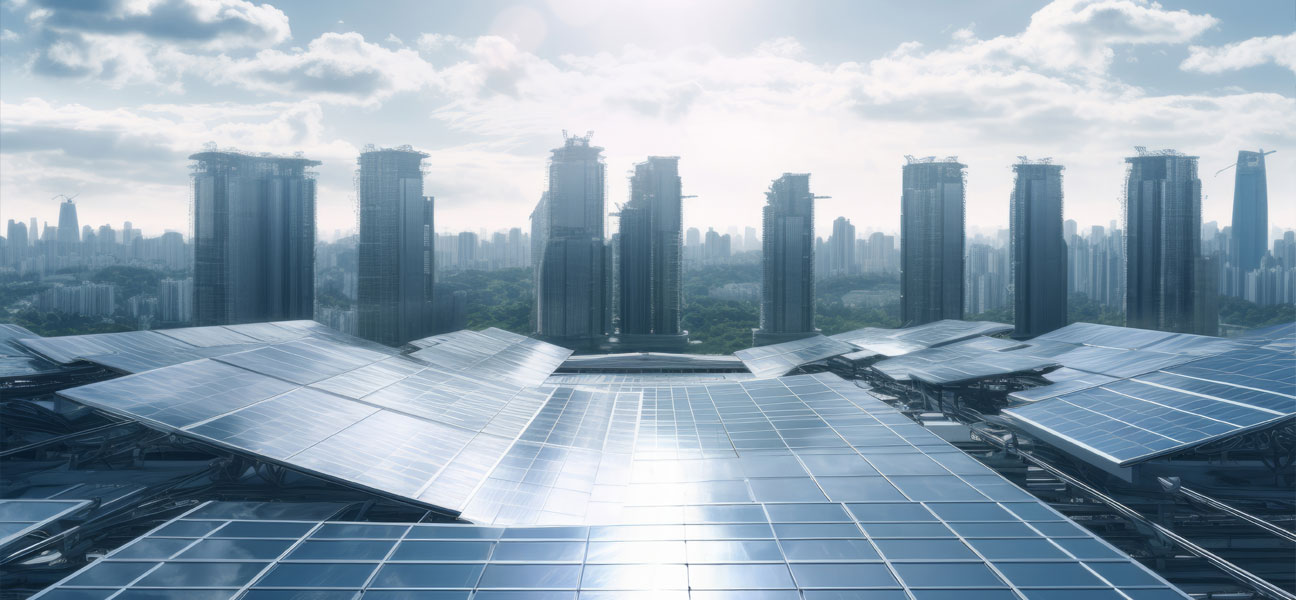
In the past decade, renewable energy has shifted from an environmental slogan to one of the main drivers of economic and industrial transformation. In the construction industry, which accounts for approximately 37% of global energy consumption and 39% of CO₂ emissions, the transition to clean energy is not only an environmental obligation but also a strategic necessity for maintaining competitiveness.
1. From Consumer to Producer of Energy
The traditional construction industry model was based on the consumption of fossil energy: power plants located outside cities produced energy, and buildings were simply consumers. However, with the advancement of photovoltaic (PV) technologies, small wind turbines, and thermal energy recovery systems, today buildings can transform into energy-producing units (Prosumers). A study published in Renewable Energy Reviews in 2024 shows that buildings with integrated solar systems (BIPV) can produce up to 45% of their energy consumption and, in some cases, even reach the Net Zero Energy point. For large-scale developers and contractors, this shift means blurring the boundary between "architectural design" and "energy infrastructure"; in other words, design today cannot be done without considering energy.
2. Clean Energy as the New Financial Metric
In today's development projects, energy sustainability has become a financial indicator. A report by Construction Innovation in 2024 reveals that projects utilizing renewable energy technologies receive lower risk ratings in banking and international financing evaluations. Private investors also prefer green projects due to their transparency in operational costs and long-term stability. In Europe and East Asia, many construction projects cannot even begin without a renewable energy plan. As a result, clean energy is no longer just a design option, but has become an integral part of the financial and managerial value chain of a project.
3. Technologies Transforming the Industry
The real transformation happens when renewable energy is integrated into the construction process, not just the operational phase. Three key technological trends stood out between 2023 and 2025:
-
Self-Powered Construction Sites: The use of microturbines and temporary solar panels to power machinery and site offices. Research by Buildings & Energy in 2024 shows that this approach can reduce diesel fuel costs by up to 25% in infrastructure projects.
-
Photovoltaic Concrete and Materials: A new technology in which solar cells are embedded within construction materials (such as glass blocks or façade panels).
-
Smart Energy Systems (IoT-Energy Integration): A network of sensors that monitor and adjust energy consumption at the construction site and building in real-time, with the possibility of optimization based on artificial intelligence.
These technologies, together, have defined the concept of the "Green Smart Workshop." A workshop that not only consumes energy but also generates data.
4. Economic and Geopolitical Implications
The transition to renewable energy in the construction industry is not merely a technical issue but part of the industrial policy of the 21st century. Countries that have integrated these technologies into their construction projects earlier now have the advantage of exporting technical and engineering services. For example, the UAE with its Mohammed bin Rashid Al Maktoum Solar Park project and Saudi Arabia with its NEOM and The Line projects have redefined their construction models around renewable energy. On the other hand, countries that still rely on fossil fuels face the dual challenge of increasing costs and losing environmental credibility. From this perspective, the construction industry is no longer just a consumer of energy policy but an active player in it.
5. Iran's Position and Opportunities
With its high solar and wind potential, Iran is one of the most naturally suitable countries in the region for renewable energy development. However, in the construction industry, this potential has yet to be fully realized.
For construction industry stakeholders in Iran, there are three practical paths:
-
Integrating renewable energy into their development projects (especially in office and industrial buildings) to reduce operational costs and increase asset value over time.
-
Investing in domestic green building technologies, from low-carbon materials to Iranian modular solar systems.
-
Creating a knowledge and consultancy network in energy-focused design for local and regional builders and investors.
According to the IEA Renewables 2024 Outlook, by 2030, more than 45% of new building projects in the Middle East will be required to use some form of renewable energy system. This means the regional construction industry's competitive path is rapidly turning green, and only players who invest in this direction now can have an effective presence on the new energy map.
In conclusion, the role of renewable energy in the construction industry is no longer limited to "reducing consumption" but is now deeply intertwined with the economic logic and branding of the entire industry. A project that generates its own energy will increase its asset value over time, and a group that can integrate this approach into the design, construction, operation, and capital management chain will not only be a builder of buildings but also a builder of the future.